Enterprise AR and VR have had a long adolescence. After years of impressive demos that never made it to production, the technology has finally matured. In 2025, we're seeing real ROI in real deployments — not pilot programs, but systems with measurable business impact at scale.
1. Where AR/VR Actually Delivers ROI Today
The use cases with proven enterprise ROI are specific and replicable:
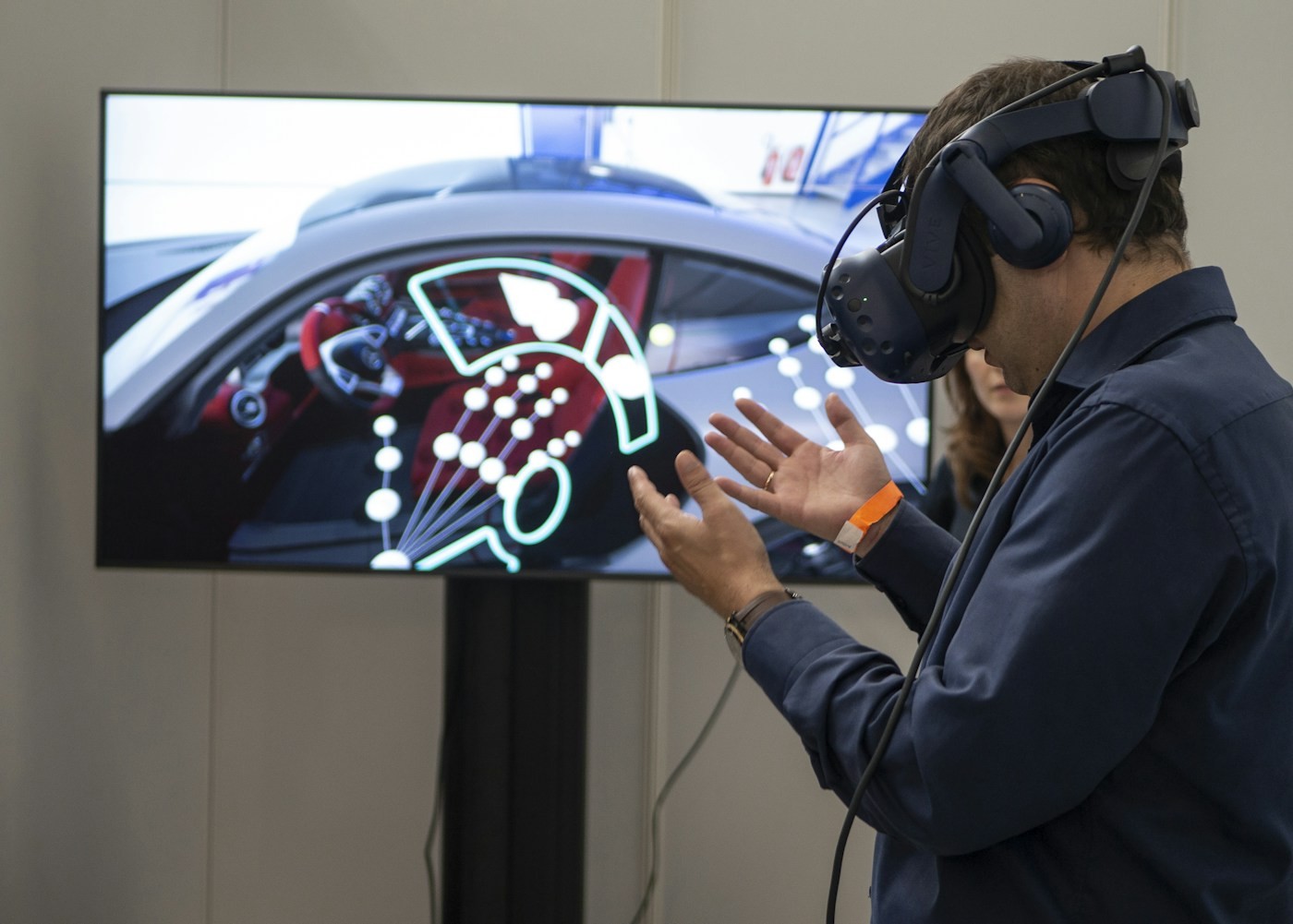
VR Training: Manufacturing, healthcare, and defence are seeing 30–50% reduction in training time and 40% improvement in knowledge retention vs classroom-based training.
AR-Guided Maintenance: Field technicians using AR overlays for equipment maintenance reduce error rates by 30–40% and complete jobs 25% faster.
Virtual Walkthroughs: Real estate, architecture, and construction use VR walkthroughs to reduce revision cycles and accelerate sales decisions.
Remote Assistance: AR platforms like PTC Vuforia enable experts to guide field workers remotely with shared AR annotations — reducing truck rolls and travel costs dramatically.
"The enterprises winning with XR aren't buying technology — they're solving training, safety, or efficiency problems with immersive experiences as the delivery mechanism."
2. Unity vs Unreal vs WebXR: Choosing Your Engine
Unity: The default choice for enterprise AR/VR. Largest ecosystem, best-in-class multi-platform support (Meta Quest, HoloLens, iOS ARKit, Android ARCore), and the most accessible for developers new to 3D.
Unreal Engine: Best for photorealistic visual fidelity. Choose Unreal when visual quality is a competitive advantage — architectural visualisation, product configurators, cinematic training scenarios.
WebXR: No app install required — runs in a browser. Ideal for lightweight AR experiences (product visualisers, quick demos) where installation friction is a dealbreaker. Technically constrained vs native engines.
3. Building a Business Case for AR/VR Investment
The ROI calculation for AR/VR should model:
Training cost reduction: (Current annual training cost) × (% reduction from VR) = Year 1 savings
Error and rework reduction: (Errors per month) × (resolution cost) × (% reduction from AR guidance)
Speed and throughput gains: (Time per task) × (hourly rate) × (improvement %) × (volume)
4. The XtrazCon AR/VR Development Process
Use case definition: We map the specific workflow being immersified, not "we're doing AR/VR"
Platform selection: Hardware, engine, and distribution method based on context
3D asset pipeline: CAD → optimised 3D models pipeline for technical content
Interaction design: 3D UX is fundamentally different — we apply spatial interaction patterns, not 2D conventions
LMS integration: VR training modules integrate with existing learning management systems
Analytics: Completion rates, heatmaps, time-on-task for continuous improvement
AR/VR
Unity
Unreal Engine
Simulation
VR Training